Source Class II CE Surgical Forceps for Orthopedic, Abdominal, and Laparoscopic Use
Compare 30 class II CE surgical forceps from verified Chinese manufacturers offering OEM options and various certifications. Buyers can evaluate specifications for orthopedic, abdominal, and laparoscopic applications with delivery times ranging from 10 to 30 days.
Key considerations
Products List




Comprehensive Sourcing Guide
Strategic Sourcing Guide for Class II CE Surgical Forceps
Navigating the global market for Class II CE surgical forceps requires a disciplined approach that balances technical precision with rigorous regulatory compliance. Buyers entering this sector must understand that surgical instruments are not generic commodities; they are precision medical devices where material integrity, surface finish, and regulatory status directly impact patient safety and clinical outcomes. The following guide outlines the critical dimensions of sourcing these instruments, drawing on observed market data and established procurement principles to ensure a robust supply chain strategy.
Technical Specifications and Material Integrity
The foundation of any surgical forceps procurement lies in the technical specifications of the device. For Class II instruments, the material composition is paramount. Market observations indicate that stainless steel is the dominant material category, with specific grades such as 420B, 420J, and 465 frequently cited in supplier listings. These grades are selected for their ability to withstand repeated sterilization cycles while maintaining a sharp edge and structural rigidity. However, buyers must verify that the specific grade matches the intended surgical application, as different steels offer varying levels of corrosion resistance and magnetic properties.
Beyond the base material, the manufacturing process dictates the final quality. CNC machining is a standard process observed in the production of high-precision forceps, ensuring tight tolerances on the jaws and handles. The physical dimensions, such as length and diameter, are critical variables. For instance, specific models may feature lengths around 150mm with needle diameters ranging from 14G to 18G, though these figures are model-dependent and not universal. Buyers should not assume a single standard size applies to all Class II forceps. Instead, the procurement strategy must focus on verifying the "prod_model" and "prod_standard" attributes against the specific surgical requirements of the target hospital or clinic.
The classification of the instrument also influences its design. While some products are categorized under Class I or Class III, Class II instruments occupy a middle ground requiring moderate risk management. This classification often necessitates specific features such as graduation markings on the needle or specific bevel types (e.g., sharp bevels) to ensure precise tissue handling. The "Instrument Classification" field in supplier data can vary, and buyers must cross-reference this with the intended use, whether for orthopedic procedures, abdominal surgery, or general laparoscopic applications.
Regulatory Compliance and Certification Verification
Compliance with the European Union's Medical Device Regulation (MDR) is non-negotiable for Class II surgical forceps. The core keyword "CE" implies conformity with EU safety standards, but the depth of this compliance varies. High-confidence data points to certifications such as ISO 13485 and CE marking as essential indicators of a compliant supplier. ISO 13485 specifically addresses quality management systems for medical devices, ensuring that the manufacturer maintains consistent control over design, production, and distribution.
Buyers must distinguish between general certifications and device-specific approvals. While some listings mention "FDA" or "ISOCE," the validity of these certifications for a specific lot of forceps must be confirmed. The "Certificate" attribute often lists CE/ISO 13485, but the buyer's responsibility is to request the actual certificate of conformity for the specific product model being purchased. It is crucial to verify that the CE marking is issued under the current MDR framework rather than the older Active Implantable Medical Devices (AIMD) directive or general directives that may no longer apply to Class II devices.
Furthermore, the regulatory status of the supplier's origin plays a role. Many suppliers are located in China, specifically in regions like Jiangsu-Changzhou or Shanghai. While these regions have robust manufacturing ecosystems, the regulatory landscape for medical devices is stringent. Buyers should ensure that the supplier can provide "Registration Documents" and proof of the device's classification within the EU system. The absence of clear documentation regarding the "Instrument Classification" or "Standard" (e.g., whether the product meets specific ISO standards for surgical instruments) is a significant red flag that warrants further due diligence.
Cost Drivers and Pricing Dynamics
The pricing of surgical forceps is influenced by a complex interplay of factors, including material costs, certification fees, and order volume. The observed price range in the market spans from $2 to $230 USD, a wide disparity that reflects differences in complexity, material grade, and branding. A forceps priced at the lower end of this spectrum is likely a standard, off-the-shelf item with minimal customization, while those at the higher end may feature specialized coatings, custom handles, or proprietary designs.
The Minimum Order Quantity (MOQ) is a primary driver of unit cost. Data indicates an MOQ range from 1 set to 100 pieces, with a common threshold of 10 pieces for customized orders. Suppliers offering an MOQ of 1 set are typically catering to trial orders or small clinics, whereas larger MOQs often unlock significant per-unit savings. Buyers must calculate the total cost of ownership, which includes not just the unit price but also the cost of inventory holding, shipping, and potential obsolescence.
Customization is a major cost variable. The "Customization" attribute is widely available, allowing for OEM (Original Equipment Manufacturer) and ODM (Original Design Manufacturer) services. However, customizing a forceps—whether by altering the handle shape, adding specific graduations, or changing the steel grade—incurs additional setup costs and may increase the MOQ. Buyers should weigh the benefits of a customized instrument against the premium paid. In many cases, a standard Class II forceps with high-quality stainless steel (e.g., 420B) may offer better value than a highly customized alternative with inferior material specifications.
Typical Applications and Functional Requirements
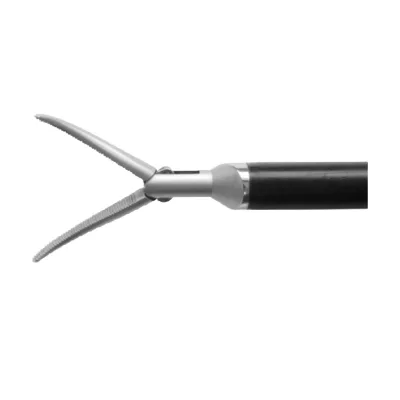
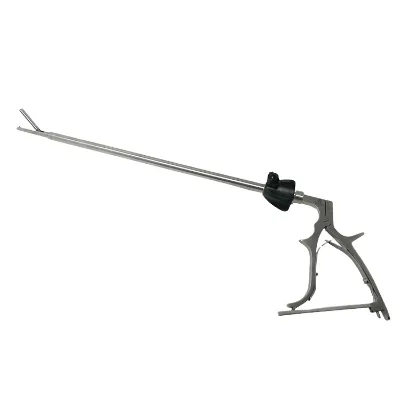
The application of surgical forceps dictates the specific functional requirements of the device. The market data highlights several key application areas, including orthopedic surgery, abdominal surgery, and laparoscopic procedures. For orthopedic applications, forceps often require high durability and the ability to handle bone or dense tissue, necessitating robust construction and specific "Instrument Classification" levels. In contrast, laparoscopic grasping forceps, such as those used in abdominal surgery, demand precision and maneuverability in confined spaces.
The "Function" attribute often describes these instruments as "Multifunctional" or "Multifunction," indicating versatility in handling different tissue types. However, buyers must be cautious not to over-rely on this label. A multifunctional forceps must still meet the specific performance criteria of its primary use case. For example, a forceps designed for general surgery may not be suitable for delicate ophthalmic procedures, even if it is marketed as multifunctional.
Sterilization compatibility is another critical application factor. The "Sterilized" attribute notes methods such as EO (Ethylene Oxide) Gas, which is standard for reusable instruments. Buyers must ensure that the forceps can withstand the sterilization methods used in their facility. Reusable instruments, as indicated by the "Feature: Reusable" attribute, must maintain their structural integrity after multiple cycles of cleaning and sterilization. Conversely, some products are listed as "Disposable," which may be preferred for specific high-risk procedures to eliminate cross-contamination risks. The "Shelf Life" of 2 years is a common specification for sterilized disposable items, but this must be verified for each batch to ensure safety.
Supplier Evaluation and Operational Capabilities
Selecting a reliable supplier for Class II CE surgical forceps requires a comprehensive evaluation of their operational capabilities. The "Transportation" and "Shipping" attributes reveal that major logistics providers like FedEx, DHL, TNT, and UPS are commonly used. This indicates a mature supply chain capable of international delivery. However, the "Delivery Time" varies significantly, with some suppliers offering ready goods within 10 days, while others require 15-30 days for production. Buyers must align these lead times with their inventory planning and emergency procurement needs.
The "Location" of the supplier is a key factor in risk assessment. With origins listed in China (Jiangsu-Changzhou, Shanghai), buyers should consider the geopolitical and logistical implications of sourcing from these regions. While these locations offer cost advantages and manufacturing expertise, they also introduce potential supply chain disruptions. Evaluating the supplier's ability to handle "PE Film" or "Corrugated Carton" packaging is essential to ensure the instruments arrive in sterile, undamaged condition. The "prod_packing" attribute suggests that packaging standards vary, and buyers should request detailed packaging specifications to prevent damage during transit.
Furthermore, the "OEM/ODM" acceptance status indicates the supplier's flexibility. Suppliers that accept OEM orders can produce instruments under the buyer's brand, which is valuable for hospitals seeking to standardize their inventory. However, buyers must verify the supplier's capacity to maintain quality control during the OEM process. The "Stock" availability is another critical metric; suppliers with "Yes" for stock can provide immediate fulfillment, whereas those relying on production cycles may face delays.
Quality Control and Long-Term Procurement Strategy
Quality control is the backbone of a successful procurement strategy for surgical instruments. The "Process" attribute, specifically CNC machining, suggests a high level of precision, but buyers must implement their own quality assurance protocols. This includes requesting test results, material certificates, and batch-specific inspection reports. The "Standard" attribute, which may list specific steel grades or dimensions, should be used as a baseline for incoming quality checks.
Long-term procurement considerations involve building a relationship with suppliers who can scale with the buyer's needs. The "MOQ" flexibility is a key indicator of a supplier's willingness to accommodate fluctuating demand. Buyers should negotiate terms that allow for variable order sizes without incurring prohibitive penalties. Additionally, the "Customization" capability should be leveraged to develop instruments that meet the specific needs of the buyer's surgical teams, fostering a competitive advantage through tailored solutions.
Finally, the "Properties" of the instruments, such as their classification as "Orthopedic Surgical Instruments" or "Abdominal Surgery Equipments," must be continuously monitored. As medical technology evolves, the requirements for surgical forceps may change. Buyers should maintain a proactive approach to updating their specifications and ensuring that their suppliers remain compliant with the latest regulatory standards. By focusing on these strategic elements, buyers can secure a reliable supply of high-quality Class II CE surgical forceps that meet the rigorous demands of modern healthcare.
Comparative Analysis of Product Attributes
To facilitate a clearer understanding of the market landscape, the following table summarizes key attributes observed in the supply chain for Class II surgical forceps. This comparison highlights the variability in specifications and helps buyers identify the critical factors for their specific procurement needs.
| Attribute Category | Common Observation | Variability Notes | Verification Requirement |
|---|---|---|---|
| Material | Stainless Steel (420B, 420J, 465) | Grades vary by application | Confirm grade certificate for batch |
| Certification | CE, ISO 13485, FDA | Specific device approval varies | Request CE Certificate of Conformity |
| MOQ | 1 Set to 100 Pieces | 10 PCS common for custom | Negotiate based on volume forecast |
| Lead Time | 10 Days (Ready) to 30 Days | Depends on customization | Confirm production schedule |
| Packaging | Carton, PE Film, Corrugated | Varies by supplier | Inspect packaging integrity |
| Origin | China (Jiangsu, Shanghai) | Regional manufacturing hubs | Verify export compliance |
| Function | Multifunctional, Reusable | Specific to surgical type | Match to clinical requirements |
This table serves as a reference point for buyers to quickly assess the alignment between supplier offerings and their internal requirements. By systematically evaluating these attributes, procurement teams can make informed decisions that prioritize safety, compliance, and cost-effectiveness.
FAQs
What certifications are required for class ii ce surgical forceps?
High-confidence data indicates CE and ISO 13485 certifications are essential for compliance. Some listings also mention FDA approval, but buyers must verify the specific certificate for the product model to ensure it meets current EU Medical Device Regulation standards.
Which materials are commonly used for class ii ce surgical forceps?
Stainless steel is the dominant material, with specific grades like 420B, 420J, and 465 frequently cited. These grades are selected for their ability to withstand repeated sterilization cycles while maintaining structural rigidity and sharp edges for surgical precision.
Can I customize class ii ce surgical forceps for my brand?
Yes, customization is widely available with OEM and ODM services accepted by many suppliers. Buyers can request specific handle shapes or graduations, though this may increase the minimum order quantity and setup costs compared to standard off-the-shelf items.
What is the typical delivery time for class ii ce surgical forceps?
Delivery times vary significantly, with ready goods available within 10 days and production orders taking about 15 to 30 days. Buyers should align these lead times with their inventory planning, as stock availability and customization needs directly impact the final shipping schedule.
How does the minimum order quantity affect pricing for class ii ce surgical forceps?
The minimum order quantity ranges from 1 set to 100 pieces, with 10 pieces being a common threshold for customized orders. Lower unit costs are typically unlocked with larger volumes, while smaller MOQs cater to trial orders or small clinics with immediate needs.
Which shipping methods are available for class ii ce surgical forceps?
Major logistics providers including FedEx, DHL, TNT, and UPS are commonly used for international transportation. Buyers should verify packaging standards like PE film or corrugated cartons to ensure instruments arrive in sterile, undamaged condition during transit.